
Spring
A beautiful season with blooming flowers and mild weather, perfect for outdoor activities.

Travel guide
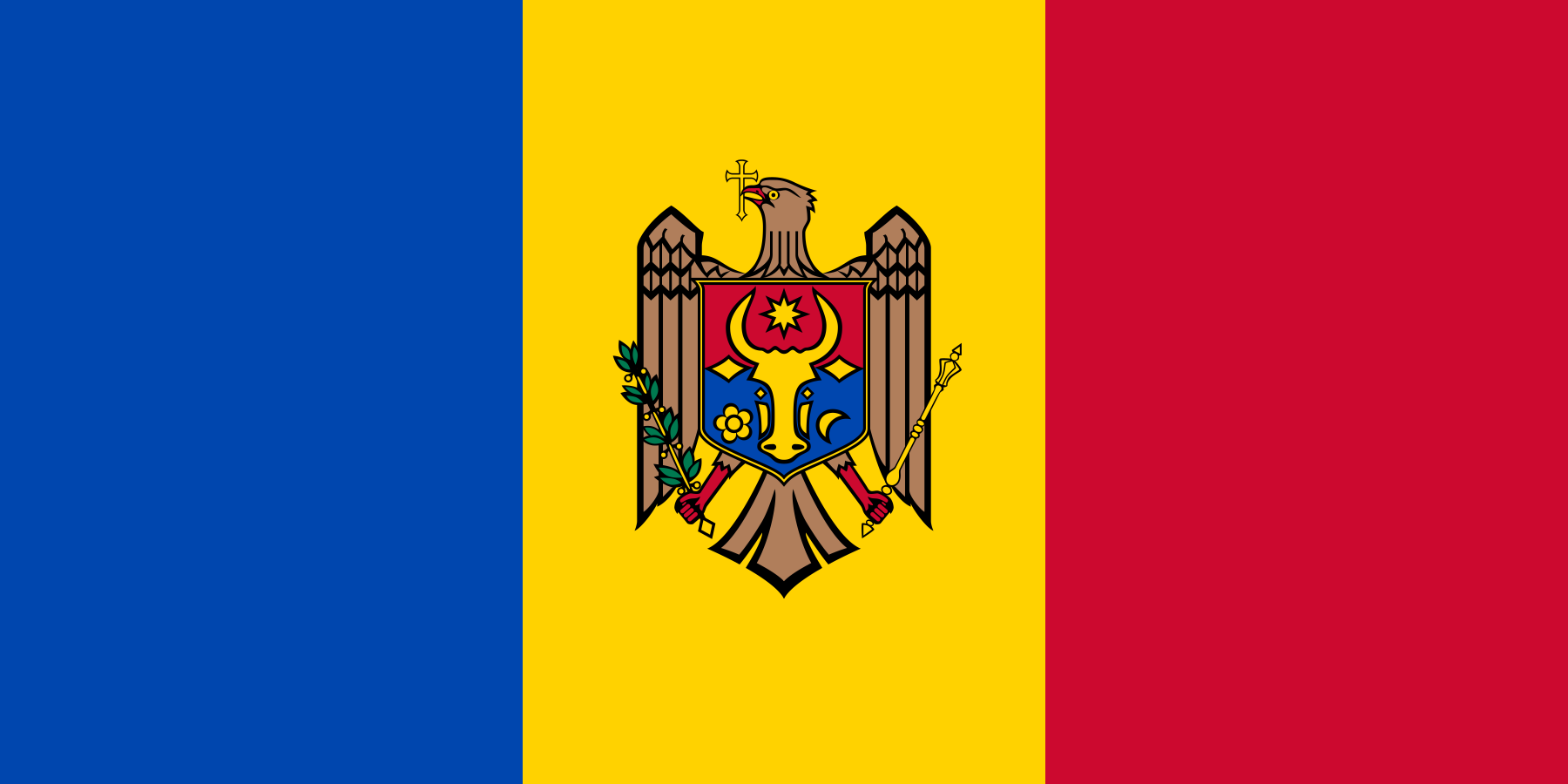
Moldova, a hidden gem in Eastern Europe, offers rich cultural experiences, stunning landscapes, and a taste of traditional cuisine. Explore its charming towns and vineyards.
USAID Digital Development · CC BY 2.001
The best time to visit Moldova is during spring (April to June) and autumn (September to October) when the weather is mild and pleasant.
A beautiful season with blooming flowers and mild weather, perfect for outdoor activities.
Hot and sunny, ideal for exploring vineyards and enjoying outdoor festivals.
A colorful season with harvest festivals and pleasant temperatures.
02
Pick the neighbourhood by how you want the day to start and end, not by distance to one museum.
The vibrant heart of the capital, filled with shops, cafes, and cultural landmarks.
Busy area; noise can be an issue.
A picturesque village known for its historical sites and scenic landscapes.
Limited amenities; ideal for nature lovers.
Famous for its stunning waterfalls and monasteries, perfect for hiking.
Bring hiking gear.
A historic town with a mix of cultures and a fortress to explore.
Less touristy; offers authentic experiences.
Known for its traditional Moldovan architecture and vineyards.
Explore local wine cellars.
A region famous for its wine production and beautiful landscapes.
Best visited during harvest season.
Home to the impressive Soroca Fortress and vibrant local culture.
Visit during local festivals for a lively experience.
A forested area ideal for nature walks and wildlife spotting.
Quiet and serene; perfect for relaxation.
03
Everyday food, eaten the way locals do. Look for a busy place rather than a ranked list.
A traditional cornmeal dish, often served with cheese and sour cream. Look for it in local restaurants.
→ Try it with homemade cheese.
Stuffed cabbage rolls filled with meat and rice, typically found at family-run eateries.
→ Best enjoyed during winter.
Savory or sweet pastries filled with various ingredients, available at bakeries.
→ Grab one for a quick bite.
A vegetable spread made from roasted peppers, eggplant, and tomatoes, found in markets.
→ Perfect on bread.
Local wines are a must-try; visit vineyards for tasting sessions.
→ Pair with local dishes.
A sour soup made with various meats and vegetables, commonly served in homes.
→ Ask for the house special.
04
An order that works on foot, with the trip out of the first city at the end.
Explore the rich cultural heritage and natural history of Moldova.
A stunning rock monastery set in a picturesque landscape.
A well-preserved fortress with a rich history, located on the Dniester River.
A beautiful park in Chisinau, perfect for leisurely walks.
Famous for its underground wine cellars and tours.
A historical fortress with stunning views of the Dniester River.
A serene monastery surrounded by lush nature.
The central square of Chisinau, often hosting events and gatherings.
A beautiful promenade featuring statues of famous Moldovan writers.
Catch a performance in this stunning architectural gem.
An ancient site showcasing the history of the region.
Experience traditional Moldovan village life and crafts.
05
Airport to city, across the city, and onward to the next region.
The main gateway to Moldova, offering connections to various European cities.
A smaller airport serving northern Moldova, with limited flights.
Buses and minibuses are the primary modes of transport within cities and between towns.
Widely available in cities, but agree on a fare before starting your journey.
Renting a car can be a good option for exploring rural areas.
06
Moldova uses type C and F plugs, with a standard voltage of 230V.
Credit cards are accepted in major cities, but carry cash for rural areas.
Tipping is appreciated; 10% is standard in restaurants.
The official language is Romanian, but Russian is widely spoken.
A travel eSIM covers maps and tickets after landing.
A week is ideal to explore the main attractions.