Spring
A beautiful time with blooming flowers and mild weather.
Travel guide
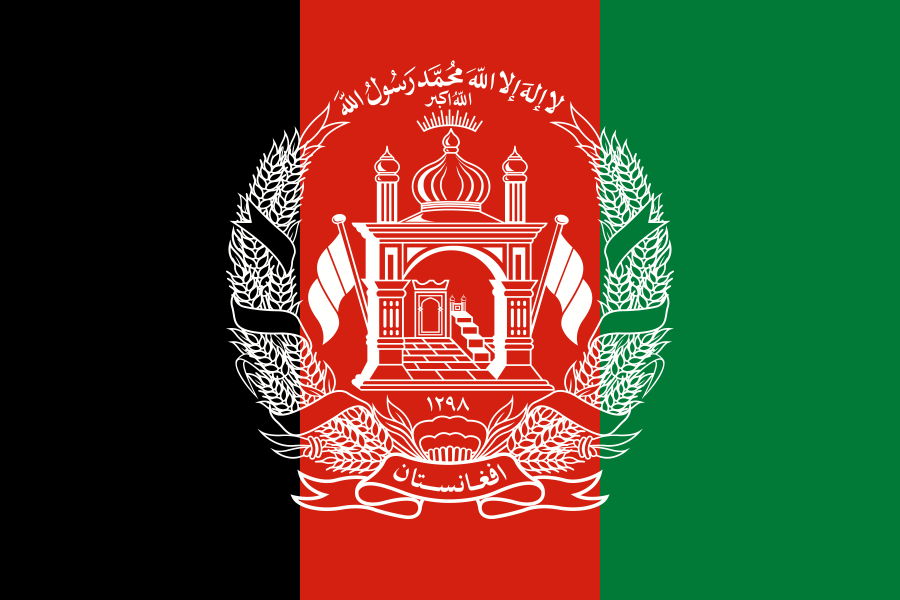
Afghanistan, a country rich in history and culture, offers stunning landscapes, ancient architecture, and a diverse culinary scene. From the bustling bazaars of Kabul to the serene valleys of Bamiyan, each region presents unique experiences for travelers.
01
The best time to visit Afghanistan is during the spring (March to May) and autumn (September to November) when the weather is mild and pleasant.
A beautiful time with blooming flowers and mild weather.
Hot temperatures, especially in southern regions.
A pleasant season with cooler temperatures and harvest time.
02
Pick the neighbourhood by how you want the day to start and end, not by distance to one museum.
The capital city, known for its vibrant culture and historical sites.
Busy and bustling, but offers rich experiences.
Famous for the Buddhas of Bamiyan and stunning landscapes.
Quieter and more serene than Kabul.
Known for its beautiful architecture and historical significance.
A bit off the beaten path but worth the visit.
Home to the stunning Blue Mosque and vibrant bazaars.
A key cultural and religious site.
Rich in history and known as the birthplace of the Taliban.
Less touristy, offering an authentic experience.
A city with a unique blend of cultures and beautiful gardens.
Hotter climate, but beautiful landscapes.
Known for its stunning natural beauty and historical significance.
Ideal for nature lovers and hikers.
Famous for its breathtaking mountain ranges and diverse cultures.
Remote but offers incredible trekking opportunities.
03
Everyday food, eaten the way locals do. Look for a busy place rather than a ranked list.
A traditional rice dish with meat and raisins, commonly found in Kabul.
→ Try it at local eateries for an authentic taste.
Steamed dumplings filled with meat and onions, popular in many regions.
→ Look for street vendors for a quick snack.
Leek-filled dumplings served with yogurt and garlic sauce.
→ Best enjoyed in family-run restaurants.
A flavorful rice dish with carrots and lamb, a staple at celebrations.
→ Often served at weddings and special occasions.
Known for their sweetness, these apples are a must-try in Bamiyan.
→ Visit local markets for fresh produce.
Afghan tea, often served with meals or as a social drink.
→ Enjoy it in traditional tea houses.
04
An order that works on foot, with the trip out of the first city at the end.
Ancient statues carved into the cliffs, a UNESCO World Heritage site.
A stunning architectural masterpiece and a pilgrimage site.
Showcases Afghanistan's rich history and cultural heritage.
A UNESCO World Heritage site, known for its intricate brickwork.
A breathtaking valley known for its natural beauty and history.
An ancient fortress with a rich history and stunning views.
A significant religious site with beautiful architecture.
Ruins of an ancient city, showcasing Afghanistan's historical depth.
Famous for its stunning blue lakes and natural beauty.
Historical gardens with beautiful landscaping and views.
Explore the ancient trade route that passed through Afghanistan.
An impressive palace with a rich history and beautiful architecture.
05
Airport to city, across the city, and onward to the next region.
The main gateway to Afghanistan, connecting to various international destinations.
Serves the western region and connects to Kabul and other cities.
Limited domestic flights are available for regional travel.
Taxis are available in major cities for local transport.
Renting a car is an option for more flexibility in travel.
06
Type C and Type F plugs are commonly used.
Cash is preferred; ATMs are limited outside major cities.
Tipping is appreciated but not mandatory.
Dari and Pashto are the official languages.
Mobile data is available in urban areas; check local providers.
A week is recommended to explore major sites.