
Cool Season
From November to February, this season offers pleasant weather, making it ideal for outdoor activities.

Travel guide
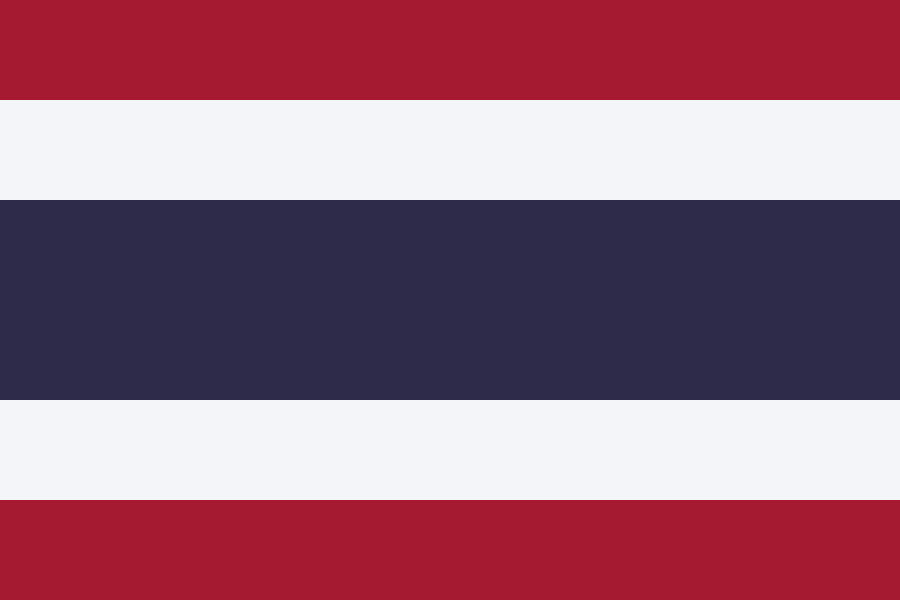
Thailand, known for its stunning beaches, rich culture, and vibrant cities, offers diverse experiences beyond its capital, Bangkok. From the ancient temples of Ayutthaya to the lush jungles of Chiang Mai, the country is a treasure trove of history, nature, and culinary delights.
http://en.wikipedia.org/wiki/User:Wikigod · CC BY 3.001
The best time to visit Thailand is during the cool and dry season from November to February, when temperatures are more comfortable for exploring.
From November to February, this season offers pleasant weather, making it ideal for outdoor activities.
From March to May, temperatures rise significantly, often exceeding 35°C, making it less comfortable for travel.
From June to October, expect heavy rains and humidity, particularly in the south.
02
Pick the neighbourhood by how you want the day to start and end, not by distance to one museum.
A bustling area in Bangkok known for its nightlife, shopping, and dining options.
Can be crowded and noisy.
A historic area filled with temples and traditional markets, perfect for cultural exploration.
Quieter than Bangkok.
Famous for its vibrant nightlife and beautiful beaches, ideal for those seeking entertainment.
Can be very touristy.
A UNESCO World Heritage site with ancient ruins and temples, great for history enthusiasts.
Best visited early in the day.
A tropical island known for its palm-fringed beaches and luxury resorts.
More expensive than mainland.
Offers stunning views of the Chao Phraya River and access to major attractions.
Can be pricier.
A small town in the mountains, known for its laid-back atmosphere and natural beauty.
Remote and less accessible.
Another UNESCO site, showcasing the ruins of the ancient capital of the Sukhothai Kingdom.
Less crowded than Ayutthaya.
03
Everyday food, eaten the way locals do. Look for a busy place rather than a ranked list.
Look for street vendors or local restaurants in Bangkok and Chiang Mai.
→ Try it with extra lime.
A spicy shrimp soup found in most Thai restaurants across the country.
→ Ask for it extra spicy.
Available in many eateries, especially in southern Thailand.
→ Pair it with jasmine rice.
A green papaya salad commonly found in street markets.
→ Perfect for a refreshing snack.
A rich, mild curry popular in southern Thailand.
→ Great with roti or rice.
A popular dessert available in markets and restaurants.
→ Best enjoyed fresh.
04
An order that works on foot, with the trip out of the first city at the end.
A stunning complex of buildings and temples in Bangkok, a must-see for visitors.
Home to the famous reclining Buddha, located near the Grand Palace.
A mountain temple offering breathtaking views of Chiang Mai.
A picturesque beach known for its limestone cliffs and clear waters.
A beautiful multi-tiered waterfall located in Erawan National Park.
One of the largest markets in the world, perfect for shopping and street food.
Ancient ruins that reflect Thailand's rich history, located in Ayutthaya.
Famous for their stunning beaches and vibrant nightlife.
An expansive area filled with ancient ruins from the Sukhothai Kingdom.
Experience traditional Thai commerce on the water.
A museum showcasing traditional Thai architecture and silk production.
Known for its historical significance during World War II.
A large public park in Bangkok, ideal for relaxation and outdoor activities.
A beautifully landscaped garden located in Pattaya.
Famous for its limestone cliffs and emerald waters, best explored by boat.
05
Airport to city, across the city, and onward to the next region.
Thailand is served by two main international airports: Suvarnabhumi (BKK) and Don Mueang (DMK).
Numerous airlines operate domestic flights connecting major cities and tourist destinations.
Long-distance buses are a popular and affordable way to travel between cities.
The train network connects major cities and offers scenic routes, especially in the north.
A fun and unique way to navigate cities, especially in Bangkok.
06
Type A, B, and C plugs are used in Thailand.
Cash is widely accepted; it's advisable to carry some for markets.
Tipping is appreciated but not mandatory; round up the bill.
Thai is the official language; English is spoken in tourist areas.
SIM cards are available for tourists; Wi-Fi is common in urban areas.
A stay of at least 10 days is recommended to explore major attractions.