_banner_Minaret.jpg)
Cool Season
From November to March, temperatures are mild and pleasant.

Travel guide
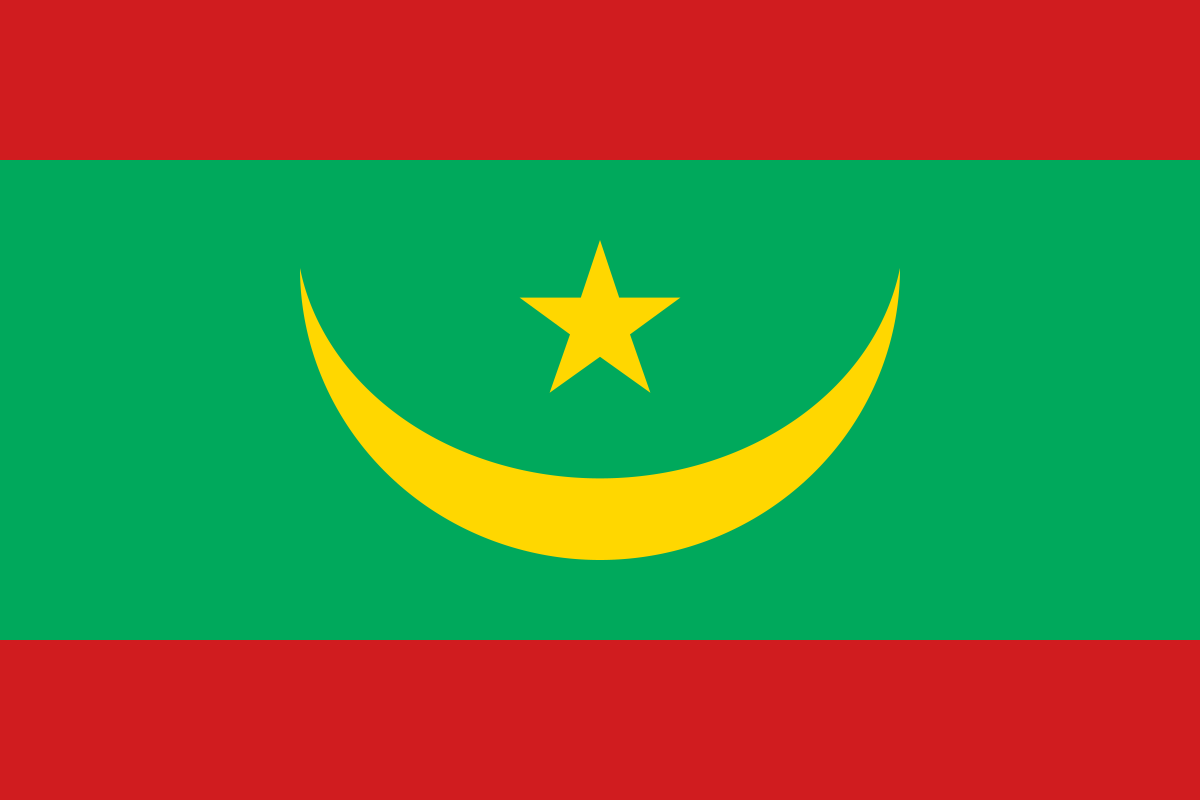
Mauritania, a vast country in West Africa, is known for its rich cultural heritage, stunning landscapes, and unique nomadic traditions. Explore the Sahara Desert, historic cities, and vibrant markets.
Arensond · CC001
The best time to visit Mauritania is during the cooler months from November to March, avoiding the intense heat of summer.
From November to March, temperatures are mild and pleasant.
From April to October, expect high temperatures and dry conditions.
Occasional rains may occur, mostly in the south.
02
Pick the neighbourhood by how you want the day to start and end, not by distance to one museum.
The capital city with a mix of modern and traditional architecture, offering various accommodations.
Busy city life with limited quiet spots.
A gateway to the Sahara, known for its stunning landscapes and traditional Berber culture.
Remote, but offers unique experiences.
A UNESCO World Heritage site, famous for its ancient libraries and historical significance.
Limited amenities, but rich in history.
A small town with a traditional feel, surrounded by beautiful desert scenery.
Less touristy, offering authentic experiences.
Located on the Senegal River, known for its vibrant markets and cultural exchanges.
Busy border town with a lively atmosphere.
A town in the east, known for its proximity to the desert and traditional markets.
Less developed, but culturally rich.
Famous for its handicrafts and vibrant local culture, surrounded by beautiful landscapes.
Offers a glimpse into local life.
A town on the Senegal River, known for fishing and agriculture.
Less touristy, but offers local charm.
03
Everyday food, eaten the way locals do. Look for a busy place rather than a ranked list.
A staple dish often served with meat and vegetables, found in local eateries.
→ Try it with lamb for a traditional taste.
Roasted lamb, typically enjoyed during special occasions, available at local celebrations.
→ Look for community gatherings.
A slow-cooked stew made with meat and vegetables, popular in restaurants.
→ Best enjoyed with fresh bread.
Fresh fish from the coast, often served with rice, found in coastal towns.
→ Visit fishing villages for the freshest options.
A thick soup made from fava beans, commonly sold by street vendors.
→ Perfect for a quick snack.
Sweet and nutritious, often sold in markets, especially during the harvest season.
→ Try different varieties from local vendors.
04
An order that works on foot, with the trip out of the first city at the end.
Experience the vastness and beauty of the world's largest desert.
An ancient mosque and a UNESCO World Heritage site, showcasing Islamic architecture.
A popular spot for locals and tourists, ideal for relaxation and sunset views.
An ancient trading town with historical ruins and stunning desert landscapes.
A UNESCO World Heritage site, known for its rich biodiversity and birdwatching opportunities.
A well-preserved ancient granary and a UNESCO site, reflecting the region's history.
A bustling port area where you can see local fishing activities.
Explore the stunning landscapes and unique rock formations.
Showcases the country's history and cultural heritage.
An ancient town with historical significance and beautiful architecture.
Famous for its unique landscapes and cultural significance.
An annual cultural event celebrating music and traditions in the Sahara.
05
Airport to city, across the city, and onward to the next region.
The main airports are Nouakchott International Airport (NKC) and Atar Airport (ATR).
Buses and shared taxis are available for intercity travel.
Renting a car provides flexibility to explore remote areas.
Many cities are walkable, making it easy to explore local attractions.
06
Type C and E plugs are used in Mauritania.
Credit cards are not widely accepted; carry cash for transactions.
Tipping is appreciated but not mandatory; round up the bill.
Arabic is the official language, with French widely spoken.
A travel eSIM covers maps and tickets after landing.
A stay of at least one week is recommended to explore the country.