
Dry Season
From December to April, the weather is warm and dry, making it the peak tourist season.

Travel guide
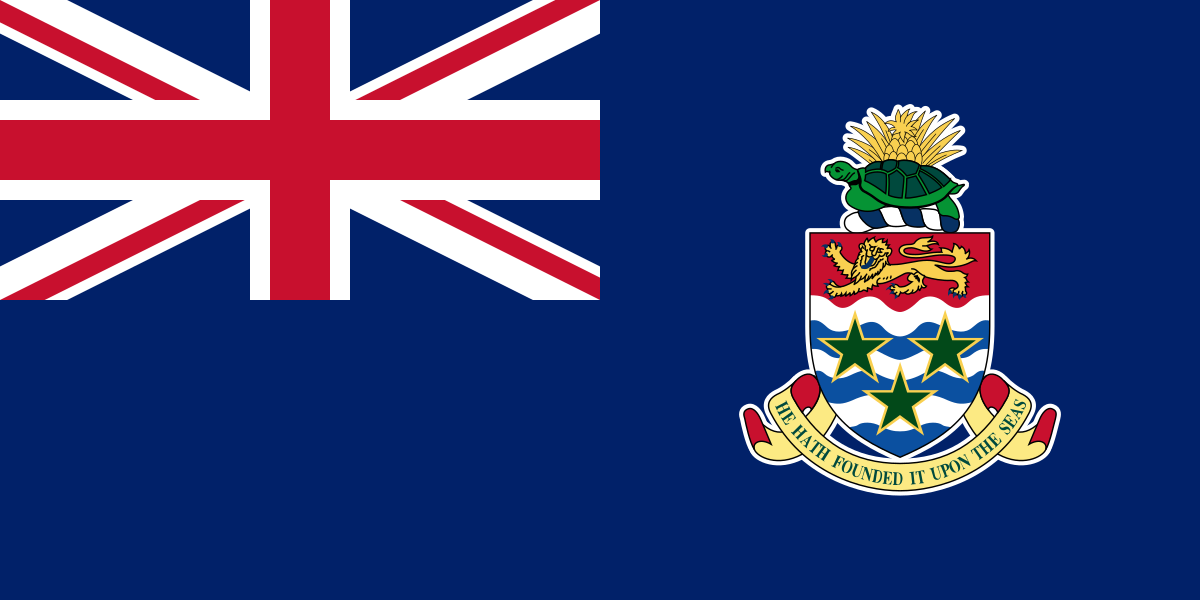
The Cayman Islands, a British Overseas Territory, is renowned for its stunning beaches, vibrant marine life, and rich cultural heritage. Beyond the capital, George Town, visitors can explore the diverse landscapes and attractions across Grand Cayman, Cayman Brac, and Little Cayman.
Diego Delso · CC BY 3.001
The best time to visit the Cayman Islands is from mid-December to mid-April when the weather is pleasant and dry.
From December to April, the weather is warm and dry, making it the peak tourist season.
From May to November, expect higher humidity and occasional rain, but fewer tourists.
From June to November, the risk of hurricanes increases, so travel insurance is recommended.
02
Pick the neighbourhood by how you want the day to start and end, not by distance to one museum.
Famous for its soft white sand and clear waters, this area offers a range of accommodations from luxury resorts to cozy villas.
Can be crowded during peak season.
A quieter alternative to Seven Mile Beach, West Bay features beautiful beaches and local dining options.
Less touristy but still accessible.
The capital city offers shopping, dining, and cultural experiences, making it a convenient base for exploring.
Busy with cruise ship visitors.
Known for its rugged cliffs and diving spots, this island is perfect for adventure seekers.
Less developed than Grand Cayman.
A tranquil escape with pristine beaches and excellent snorkeling opportunities.
Limited accommodations available.
Offers a more laid-back atmosphere with beautiful beaches and local eateries.
Fewer amenities than the west side.
The historical capital of the Cayman Islands, featuring local culture and quieter beaches.
Not as many tourist facilities.
A peaceful area known for its natural beauty and local charm, ideal for those seeking solitude.
Limited dining options.
03
Everyday food, eaten the way locals do. Look for a busy place rather than a ranked list.
Try these crispy delights at local beach shacks or restaurants along the coast.
→ Best enjoyed fresh.
A traditional dish available at local eateries, showcasing the islands' culinary heritage.
→ A unique local specialty.
Sample this spicy dish at roadside stands or casual dining spots.
→ Perfect for a quick meal.
Enjoy these fresh tacos at beachside restaurants or food trucks.
→ A must-try for seafood lovers.
Available at upscale restaurants, this dish is a highlight of local seafood cuisine.
→ Best during the lobster season.
Indulge in this sweet treat at bakeries or souvenir shops.
→ Great for taking home.
04
An order that works on foot, with the trip out of the first city at the end.
A popular attraction where visitors can interact with friendly stingrays in their natural habitat.
Renowned for its beauty, this beach is perfect for sunbathing and water sports.
A unique rock formation and tourist spot in Grand Cayman, known for its black limestone.
A beautiful park showcasing native plants and wildlife, ideal for nature lovers.
A historic site that tells the story of the Cayman Islands' heritage.
An educational facility focused on the conservation of sea turtles.
A scenic hiking trail through the island's lush interior, perfect for outdoor enthusiasts.
A small museum that showcases the history and culture of Little Cayman.
A stunning beach known for its crystal-clear waters and snorkeling opportunities.
Explore these fascinating caves filled with stalactites and stalagmites.
A small, uninhabited island perfect for a day trip and relaxation.
A historic lighthouse offering stunning views of the coastline.
05
Airport to city, across the city, and onward to the next region.
The main airports are Owen Roberts International Airport (GCM) and Charles Kirkconnell International Airport (CYB).
Public buses and taxis are available for easy transportation around the islands.
Renting a car is a convenient option for exploring at your own pace.
Biking is a popular way to explore the islands, with many rental shops available.
Ferries operate between the islands, providing a scenic way to travel.
06
The Cayman Islands use Type A and B plugs, with a standard voltage of 120V.
US dollars are widely accepted, but it's good to have some Cayman Islands dollars for local transactions.
A tip of 15-20% is customary in restaurants and for taxi drivers.
English is the official language, making communication easy for most travelers.
A travel eSIM covers maps and tickets after landing.
A week is ideal to explore the islands and enjoy various activities.