
Spring
Spring in Hong Kong is mild and pleasant, with blooming flowers and outdoor festivals.

Travel guide
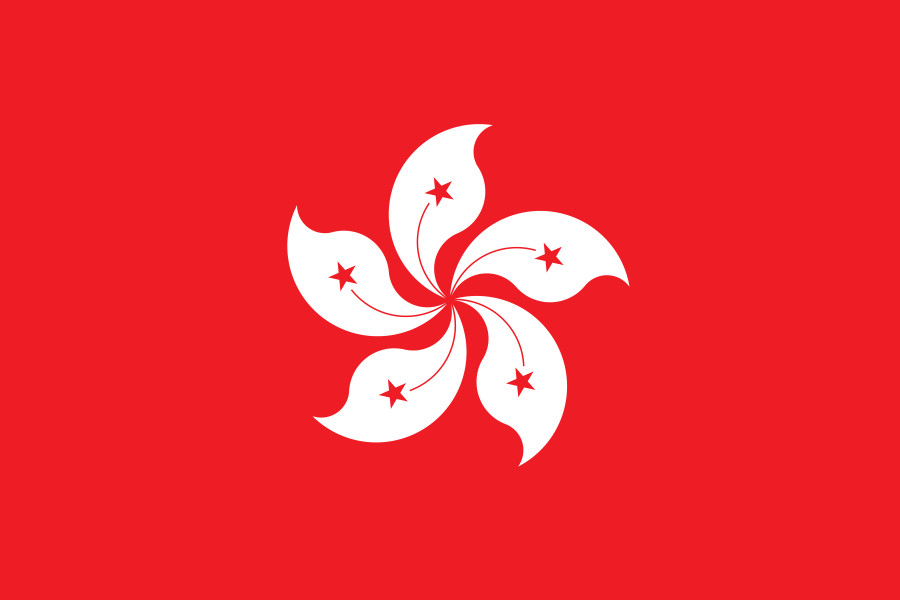
Hong Kong, a vibrant city known for its skyline, culture, and culinary delights, offers a unique blend of East and West. Beyond its bustling capital, explore diverse neighborhoods, savor local dishes, and visit iconic landmarks.
Base64 and Derivative work by Globe-trotter · CC BY-SA 3.001
The best time to visit Hong Kong is during the cooler months from October to December when the weather is pleasant and the city is less humid.
Spring in Hong Kong is mild and pleasant, with blooming flowers and outdoor festivals.
Summer is hot and humid, with occasional rain, making it a vibrant time for indoor activities.
Autumn brings cooler temperatures and clear skies, ideal for sightseeing and outdoor adventures.
02
Pick the neighbourhood by how you want the day to start and end, not by distance to one museum.
The heart of Hong Kong's business district, Central is bustling with skyscrapers, shopping, and nightlife.
Can be crowded and expensive.
Known for its waterfront promenade and cultural attractions, Tsim Sha Tsui offers stunning views of the skyline.
Busy with tourists, especially at night.
Famous for its markets and street food, Mong Kok is a vibrant area that showcases local life.
Can be overwhelming due to crowds.
A blend of traditional and modern, Sheung Wan is known for its antique shops and trendy cafes.
Quieter than Central but still lively.
A shopping paradise, Causeway Bay is filled with malls, boutiques, and eateries.
Very busy, especially on weekends.
Known for its natural beauty and outdoor activities, Sai Kung is perfect for those looking to escape the city.
Requires travel from the city center.
Home to the Big Buddha and beautiful hiking trails, Lantau Island offers a peaceful retreat.
A bit far but worth the visit.
A traditional fishing village on Lantau Island, Tai O is known for its stilt houses and seafood.
Less commercialized, offering a glimpse of local life.
03
Everyday food, eaten the way locals do. Look for a busy place rather than a ranked list.
Enjoy this traditional Cantonese meal at local tea houses, especially in Central and Tsim Sha Tsui.
→ Best enjoyed with friends.
Savor this famous dish at restaurants in Tsim Sha Tsui and Mong Kok.
→ Order in advance for the best experience.
A popular street food, find it at local stalls in Mong Kok and Central.
→ Try it with chili sauce for extra flavor.
These sweet treats are best found in bakeries across Hong Kong, especially in Central.
→ Best enjoyed fresh out of the oven.
This barbecued pork is a staple in many restaurants, particularly in Kowloon.
→ Pair with rice for a complete meal.
A must-try beverage, available in many cafes throughout the city.
→ Enjoy it hot or cold.
04
An order that works on foot, with the trip out of the first city at the end.
Offers stunning views of the city skyline and harbor.
A historic ferry ride that provides beautiful views of Victoria Harbour.
A massive bronze statue located on Lantau Island, surrounded by serene landscapes.
A magical theme park suitable for families and children.
A vibrant market known for street food and shopping.
A historic temple dedicated to the gods of literature and war.
A beautiful beach perfect for relaxation and water activities.
Offers insights into Hong Kong's rich past and culture.
A cable car ride offering breathtaking views of Lantau Island.
A historic park that was once a fortified city.
An observation deck located on the 100th floor of the International Commerce Centre.
A marine mammal park and amusement park combined.
05
Airport to city, across the city, and onward to the next region.
Hong Kong International Airport (HKG) is the main gateway, well-connected to the city.
The MTR is the fastest way to navigate the city, complemented by buses and ferries.
Consider getting an Octopus card for convenient access to public transport and some shops.
Exploring on foot is a great way to discover hidden gems and local culture.
Some areas, like Lantau Island, are bike-friendly and offer scenic routes.
06
Hong Kong uses type G plugs, so bring an adapter if needed.
While credit cards are widely accepted, having cash for small purchases is advisable.
Tipping is not mandatory but appreciated; rounding up the bill is common.
Cantonese is the primary language, but English is widely spoken.
A travel eSIM covers maps and tickets after landing, ensuring connectivity.
A stay of 5 to 7 days is ideal to explore the main attractions.